Why Australian E-commerce Businesses Need ERP Integration
The Australian E-commerce market has experienced explosive growth, with online sales continuing to surge year after year. However, this growth brings complexity that traditional business management methods simply cannot handle. Retail e-commerce operations involve multiple moving parts: inventory management across various channels, complex order workflows, customer relationship management, financial reporting, and supplier coordination.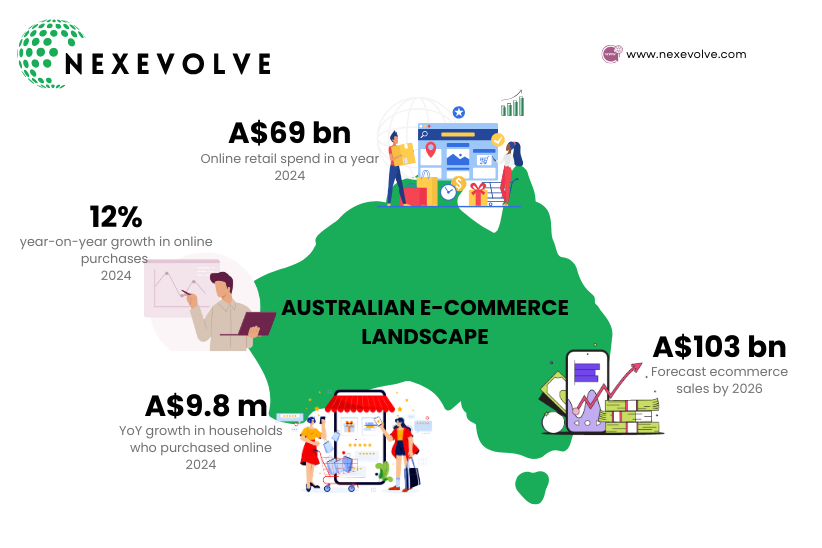
Many Australian businesses start with basic solutions like e-commerce software Shopify or even explore free e-commerce website Australia options. While these platforms serve as excellent starting points, they often create data silos that become bottlenecks as businesses scale. The ecommerce advantages of implementing comprehensive ERP systems become apparent when you need:
- Real-time inventory synchronization across multiple sales channels
- Automated order processing and fulfillment workflows
- Comprehensive financial reporting and analytics
- Seamless customer service management
- Scalable operations that grow with your business
This is precisely where Odoo Australia implementations through expert Odoo partners Australia like Nexevolve make the difference between struggling with fragmented systems and thriving with unified operations.
Understanding Odoo ERP for E-commerce Success
Odoo in Australia has gained tremendous traction among forward-thinking businesses because it offers a complete ecosystem designed specifically for modern commercial operations. Unlike traditional ERP systems that require extensive customisation, Odoo provides native e-commerce functionality that integrates seamlessly with core business processes.
The ERP software development process with Odoo focuses on creating unified data flows that eliminate the manual work and errors common in multi-platform setups. When properly implemented by experienced Odoo partners in Australia, the system becomes the central nervous system of your business operations.
Core E-commerce Modules in Odoo
Website Module serves as the foundation of your online presence, providing a comprehensive content management system with built-in SEO tools, drag-and-drop page builders, and responsive design templates. The Website module seamlessly connects with other Odoo applications, enabling dynamic product catalogs, customer portals, and automated content updates that keep your Australian e-commerce site current and engaging.
Sales Module streamlines the entire sales process from quotation to delivery. This powerful module manages customer relationships, tracks sales opportunities, automates follow-up communications, and provides comprehensive sales analytics. For retail ecommerce businesses, the Sales module ensures consistent customer experiences across online and offline channels while maintaining detailed sales histories and performance metrics.
Product Management capabilities in Odoo go far beyond basic catalog management. The system enables sophisticated product management with variant handling, category structures, pricing rules, and automated cross-selling configurations. Australian businesses particularly benefit from built-in support for local tax requirements and multi-currency operations.
Order Management represents where Odoo truly excels in the e-commerce space. The system provides end-to-end order management workflows that automatically route orders through appropriate fulfillment processes, manage stock allocations, coordinate with shipping providers, and update customers throughout the journey.
Inventory Management integration ensures real-time stock level synchronisation across all sales channels. Whether you’re selling through your website, marketplace platforms, or physical stores, Odoo maintains accurate inventory counts and prevents overselling situations that damage customer trust.
The Strategic Benefits of E-commerce Odoo Implementation
Operational Excellence Through Automation
E-commerce optimization through Odoo implementation creates automated workflows that reduce manual tasks by up to 80%. The ERP software development process focuses on identifying repetitive processes and creating intelligent automation rules. For example, when a customer places an order, the system can automatically:
- Verify inventory availability across multiple warehouses
- Generate pick lists for warehouse staff
- Create shipping labels with preferred carriers
- Send confirmation emails and tracking information
- Update financial records and inventory levels
- Trigger reorder processes for low-stock items
Enhanced Customer Experience
Online business management through Odoo ERP systems enables superior customer experiences that drive loyalty and repeat purchases. Australian customers increasingly expect fast, accurate service with complete transparency about their orders. Odoo’s unified approach ensures that customer service representatives have instant access to complete customer histories, order statuses, and inventory information.
The system’s CRM capabilities work seamlessly with e-commerce data to create personalized customer journeys. This integration enables sophisticated marketing automation, targeted promotions, and proactive customer service that sets Australian businesses apart from competitors.
Financial Control and Reporting
One of the most significant ecommerce advantages of Odoo implementation is the automatic synchronization of financial data. Every sale, refund, shipping cost, and inventory adjustment flows directly into your accounting system without manual data entry. This real-time financial visibility enables better decision-making and ensures compliance with Australian tax requirements.
Odoo Australia implementations provide built-in support for GST calculations, BAS reporting, and integration with popular Australian banking systems. This local expertise is crucial for businesses that want to focus on growth rather than administrative complexity.
Implementation Strategies for Australian E-commerce Businesses
Phase 1: Business Assessment and Planning
Successful e-commerce ERP integration begins with comprehensive business analysis. Expert Odoo partners Australia like Nexevolve conduct detailed assessments to understand current workflows, identify integration points, and design optimal system architecture. This phase is crucial for businesses transitioning from platforms like ecommerce software Shopify or those exploring alternatives to free ecommerce website australia options.
Phase 2: System Design and Development
The ERP software development process for e-commerce businesses requires careful attention to user experience across all touchpoints. Odoo in Australia implementations must account for local business practices, regulatory requirements, and customer expectations.
During this phase, the focus shifts to creating seamless data flows between your e-commerce frontend and Odoo backend. This includes configuring product management hierarchies, setting up automated order management workflows, establishing inventory synchronization rules, and creating custom reports and dashboards.
Phase 3: Data Migration and Testing
Data migration represents a critical success factor for online business management implementations. The process involves cleaning existing data, mapping relationships between different systems, and ensuring data integrity throughout the migration process.
Comprehensive testing ensures that all e-commerce optimisation features function correctly under real-world conditions. This includes stress-testing during peak sales periods, validating integration points, and confirming that all automated workflows perform as designed.
Phase 4: Training and Go-Live Support
Australian businesses benefit significantly from comprehensive training programs that ensure teams can leverage the full capabilities of their new integrated system. Training covers everything from basic order management procedures to advanced product management techniques and financial reporting capabilities.
Also Read: [Odoo Implementation Timeline: What to Expect in Your First 60 Days]
Advanced Features for Competitive Advantage
Multi-Channel Inventory Management
Modern retail e-commerce operations require sophisticated inventory management capabilities that go beyond basic stock tracking. Odoo Australia implementations enable businesses to manage inventory across multiple sales channels while maintaining real-time accuracy.
The system supports complex scenarios like drop-shipping, consignment inventory, multi-location management, and automated reordering based on sales velocity and seasonal patterns. This level of sophistication ensures that Australian businesses can compete effectively in increasingly complex market conditions.
Advanced Analytics and Business Intelligence
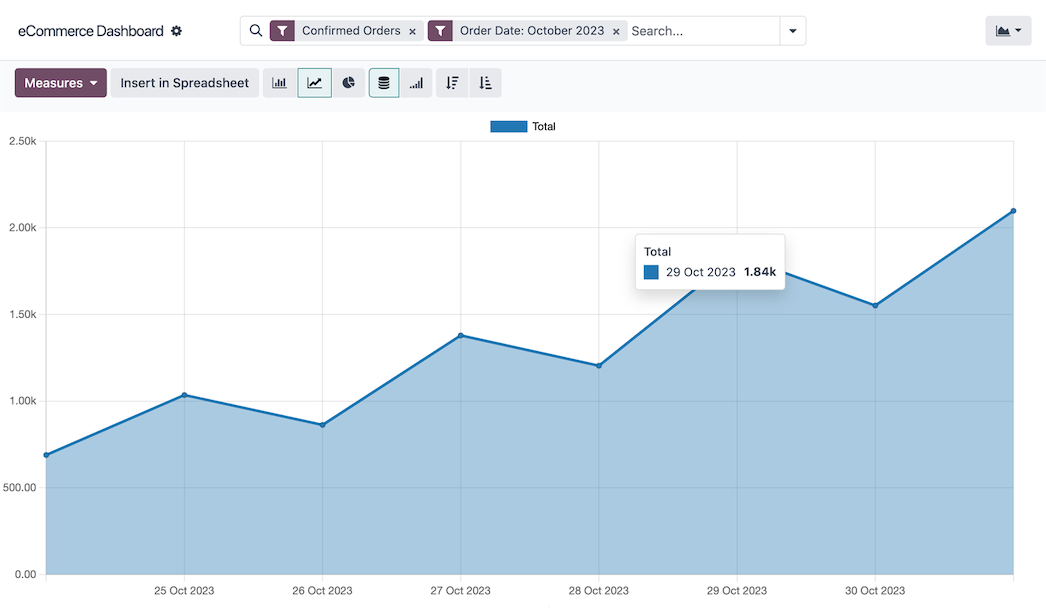
E-commerce optimisation relies heavily on data-driven decision making. Odoo’s integrated analytics provide comprehensive insights into customer behavior, sales performance, inventory turnover, and financial metrics. These insights enable businesses to optimise pricing strategies, improve product mix decisions, and enhance customer acquisition and retention efforts.
Integration Ecosystem
Online business management effectiveness depends on seamless integration with complementary systems. Odoo ERP software provides extensive integration capabilities with popular Australian services including:
- Payment gateways (SecurePay, eWAY, Pin Payments)
- Shipping providers (Australia Post, Sendle, CouriersPlease)
- Marketplace platforms (eBay, Amazon Australia, Catch)
- Marketing automation tools
- Customer support platforms
ROI and Business Impact for Australian Companies
Australian businesses implementing comprehensive e-commerce ERP integration typically see significant returns on investment within 12-18 months. The e-commerce advantages include:
Operational Efficiency: Businesses report 60-80% reduction in manual data entry and administrative tasks. Automated workflows eliminate errors and free up staff for value-adding activities.
Inventory Optimization: Real-time inventory management reduces carrying costs by 20-30% while improving stock availability and customer satisfaction.
Customer Experience Enhancement: Integrated customer management enables faster response times, personalized service, and proactive communication that increases customer lifetime value.
Financial Control: Automated financial processes improve cash flow management and provide real-time visibility into business performance, enabling better strategic decisions.
Choosing the Right Implementation Partner
Successful Odoo in Australia implementations require partners who understand both the technology and the local business environment. The ERP software development process involves complex decisions about system architecture, integration approaches, and customization requirements that significantly impact long-term success.
Odoo partners Australia like Nexevolve bring crucial advantages:
- Deep understanding of Australian business practices and regulations
- Extensive experience with retail ecommerce implementations
- Proven methodologies for e-commerce ERP integration
- Ongoing support and system optimization services
- Local time zone support and face-to-face consultation capabilities
When evaluating implementation partners, consider their track record with similar businesses, their technical expertise with Odoo ERP software, and their commitment to long-term partnership rather than just project completion.
Getting Started with Your E-commerce ERP Journey
The transition to integrated online business management represents a significant strategic decision that requires careful planning and expert guidance. Whether you’re currently using ecommerce software Shopify, considering free ecommerce website australia alternatives, or operating with disconnected systems, the benefits of Odoo ERP software integration are compelling.
Odoo partners Australia like Nexevolve offer comprehensive consultation services to help businesses understand their options and develop implementation strategies aligned with their specific needs and goals. The ERP software development process begins with understanding your unique business requirements and designing solutions that deliver measurable improvements in efficiency, customer satisfaction, and profitability.
For Australian businesses ready to transform their retail e-commerce operations, the journey toward unified e-commerce ERP integration starts with a conversation about your current challenges and future aspirations.