
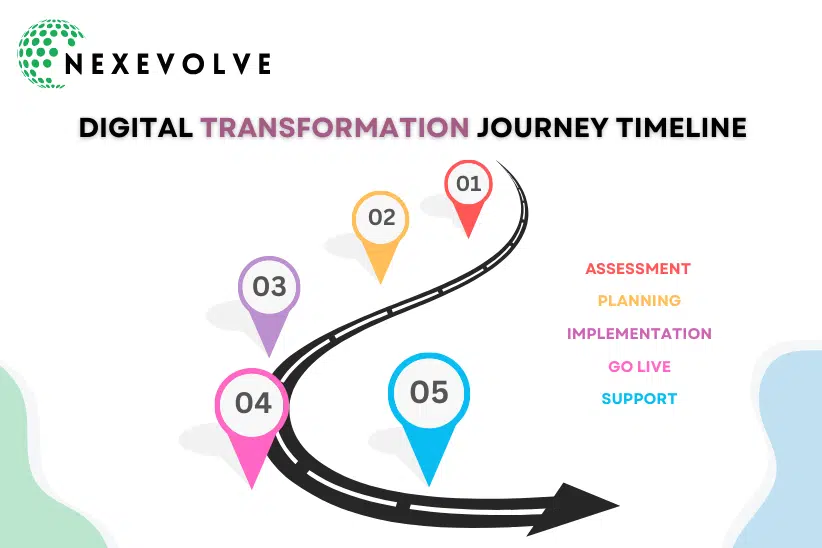
Most business owners reach a point where their current systems stop being helpful and start being obstacles. Orders take longer to process. Inventory numbers never match reality. Financial reports require days of preparation instead of minutes. The software that once supported growth now prevents it.
This roadmap addresses the specific steps required to move from fragmented legacy systems to integrated modern ERP solutions.
Understanding the Foundation: What is Digital Transformation?
Digital transformation goes far beyond simply upgrading software. It’s a fundamental reimagining of how your business operates in the digital age. At its core, this transformation leverages digitalisation technologies to create new business models, streamline operations, and enhance customer experiences. For Australian businesses, this journey often begins with implementing a robust ERP system that serves as the backbone of all business operations.
The applications of ERP extend across every department of your organisation, from finance and human resources to inventory management and customer relationship management. When properly implemented, an ERP system becomes the central nervous system of your business, enabling real time data sharing, improved decision making, and enhanced operational efficiency.
The ERP Software Development Process: Building Your Digital Foundation
The ERP software development process is a carefully orchestrated journey that requires strategic planning, expert execution, and ongoing optimization. Understanding this process is crucial for Australian businesses looking to implement comprehensive solutions that align with their unique operational requirements.
Phase 1: Assessment and Planning
Before embarking on any ERP system implementation, organisations must conduct a thorough assessment of their current systems and future requirements. This phase involves evaluating existing enterprise resources planning capabilities, identifying gaps in functionality, and defining clear objectives for the transformation project.
During this critical phase, businesses often discover the limitations of their current systems, such as QuickBooks Australia installations that have outgrown their original scope. While QBook online solutions like QBO support systems serve small businesses well, growing organisations typically require more sophisticated ERP solutions Australia can provide.
Phase 2: Solution Design and Customisation
Once requirements are clearly defined, the focus shifts to designing a solution that perfectly aligns with your business processes. This is where custom software development Australia expertise becomes invaluable. Rather than forcing your business to adapt to generic software limitations, custom development ensures your ERP system enhances rather than hinders your operational efficiency.
Working with an experienced Odoo partner Australia can provide significant advantages during this phase. Odoo’s modular architecture allows for extensive customisation while maintaining system integrity and upgrade compatibility. This approach ensures your modern ERP solution grows with your business rather than becoming another legacy system to replace in the future.
ERP Implementation Guide: Your Step by Step Roadmap
Successful ERP system implementation requires a methodical approach that minimises disruption while maximising the benefits of your new system. Here’s your comprehensive ERP implementation guide:
Step 1: Project Preparation and Team Formation
Building a strong project team is fundamental to successful ERP system implementation. This team should include representatives from all departments that will use the new system, as well as technical specialists who understand the intricacies of the ERP software development process.
Step 2: Data Migration Framework Development
One of the most critical aspects of any ERP system implementation is developing a robust data migration framework. This framework ensures that valuable historical data from your existing systems, whether it’s from QuickBooks Aus, QBO support systems, or other legacy applications, is accurately transferred to your new modern ERP platform.
The data migration framework should address data cleansing, validation, and testing procedures to ensure information integrity throughout the transition process. This is particularly important when migrating from simpler systems like QBook online to more comprehensive ERP solutions Australia businesses require for growth.
Step 3: System Configuration and Customisation
During this phase, your ERP system is configured to match your specific business processes. This is where the expertise of custom software development Australia providers becomes crucial. Rather than accepting generic configurations, custom development ensures your system operates exactly as your business requires.
Step 4: Testing and Validation
Comprehensive testing is essential before going live with your new ERP system. This includes unit testing, integration testing, and user acceptance testing to ensure all applications of ERP function correctly within your business environment.
Step 5: Training and Change Management
User adoption is critical for successful ERP system implementation. Comprehensive training programs ensure your team can leverage all the capabilities of your modern ERP solution from day one.
Step 6: Go Live and Support
The transition to your new ERP system should be carefully managed to minimise business disruption. Having robust support systems in place, similar to QBO support but tailored to your specific ERP solutions Australia implementation, ensures any issues are quickly resolved.
Leveraging Digitalisation Technologies for Maximum Impact
Digitalisation technologies encompass far more than just ERP systems. The most successful digital transformation initiatives integrate multiple technologies to create comprehensive solutions. These may include:
Cloud computing platforms for scalability and accessibility, artificial intelligence and machine learning for predictive analytics, Internet of Things sensors for real time data collection, mobile applications for field operations, and business intelligence tools for advanced reporting.
When implementing ERP solutions Australia businesses choose, it’s crucial to consider how these technologies will integrate with your modern ERP platform. The ERP software development process should account for future technology integrations to ensure your system remains cutting edge.
Also Read : [Scaling Your Startup in Australia? Here’s Why Odoo with Nexevolve is the Smartest Move You Can Make]
The Australian Advantage: Local Expertise Matters
Choosing custom software development Australia providers offers distinct advantages for local businesses. Australian developers understand local business practices, regulatory requirements, and market conditions that international providers may overlook. This local expertise is particularly valuable when implementing ERP solutions Australia companies rely on for their competitive advantage.
Working with an Odoo partner Australia provides additional benefits, including local support, cultural understanding, and timezone alignment. These factors contribute significantly to the success of your ERP system implementation and ongoing system optimization.
Measuring Success: Key Performance Indicators
The success of your digital transformation should be measured using specific, quantifiable metrics. Key performance indicators might include reduction in manual data entry tasks, improvement in financial reporting accuracy and speed, enhanced inventory turnover rates, decreased order processing times, improved customer satisfaction scores, and increased employee productivity metrics.
These metrics help validate the return on investment of your modern ERP implementation and identify areas for continued optimization.
Future Proofing Your Investment
The ERP software development process doesn’t end with implementation. Successful organisations continuously evolve their systems to leverage new digitalisation technologies and respond to changing business requirements. This ongoing evolution ensures your ERP system remains a strategic asset rather than becoming another legacy system requiring replacement.
Regular system reviews, user feedback sessions, and technology assessments help identify opportunities for enhancement. Whether it’s integrating new applications of ERP or expanding system capabilities, continuous improvement ensures maximum return on your digital transformation investment.
Your Path Forward
The journey from legacy systems to modern ERP solutions represents more than just a technology upgrade. It’s a fundamental transformation of how your business operates. By following this comprehensive roadmap and working with experienced custom software development Australia partners, your organisation can successfully navigate this transformation and emerge more efficient, competitive, and prepared for future growth.
Whether you’re moving beyond the limitations of QuickBooks Aus or QBook online systems, or completely reimagining your enterprise resources planning approach, the key to success lies in careful planning, expert execution, and ongoing optimization. Your digital transformation journey starts with a single step: choosing the right partners to guide you toward modern ERP success.
Ready to begin your transformation? Contact Nexevolve today to discover how our ERP solutions Australia expertise can revolutionise your business operations.